Long wait times and disorganized customer flow can quickly damage a business’s reputation, regardless of how good the underlying product or service is. A queue management system addresses this by digitizing and organizing how customers are served, reducing perceived wait times and improving overall service efficiency across banks, hospitals, government offices, and retail environments.
What Is a Queue Management System
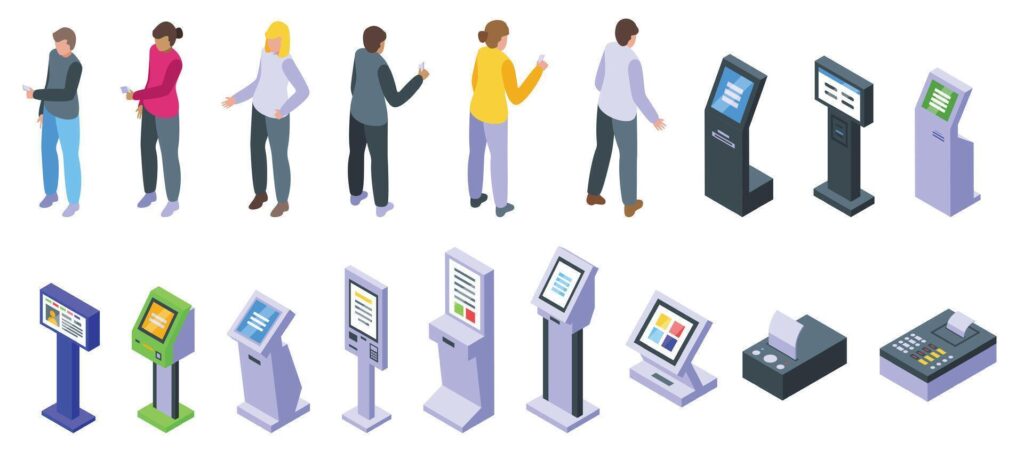
A queue management system replaces traditional first-come, first-served physical lines with structured, often digital, processes. Core components typically include:
- Ticket-based or token-based customer entry
- Digital displays showing current queue status and estimated wait times
- Counter or service-point call systems
- Real-time analytics on customer flow and service speed
- Integration with mobile apps or SMS for remote queue joining
These systems don’t just organize physical lines — they generate valuable data on peak hours, service bottlenecks, and staff performance that businesses can use to improve operations over time.
Why Businesses Need a Queue Management System
Organizations that handle regular foot traffic benefit significantly from structured queue management:
- Reduced perceived and actual wait times for customers
- Better staff allocation based on real-time demand data
- Improved customer satisfaction and reduced frustration
- Organized, fair service order without physical crowding
- Valuable reporting data for operational decision-making
For sectors like healthcare and banking, where service delays can have a serious impact on customer experience, an effective queue system often becomes a competitive differentiator rather than just an operational tool.
Queue Management System in Islamabad
As the capital and a major administrative and business hub, Islamabad has seen growing adoption of queue management systems in Islamabad across government offices, hospitals, and banks. With the city hosting numerous federal departments and embassies that handle large daily visitor volumes, organized queue management has become particularly important for maintaining order and reducing public frustration during busy service hours.
Businesses and institutions in Islamabad increasingly look for systems that can integrate with existing service counters, support multiple languages, and provide reporting suited to government compliance and performance tracking requirements.
Queue Management System in Pakistan
Across the country more broadly, demand for a reliable queue management system in Pakistan has grown as banks, telecom service centers, and healthcare facilities modernize their customer service operations. This shift is being driven by:
- Rising customer expectations for efficient, modern service experiences
- Growth in private healthcare and banking sectors competing on service quality
- Government digitization initiatives improving public service delivery
- Increasing smartphone penetration enabling app-based queue and appointment systems
Organizations across major cities including Karachi, Lahore, and Islamabad are increasingly replacing manual token systems with integrated digital solutions that offer better visibility and control over customer flow.
Key Features to Look for in a Queue Management System
When evaluating a queue management solution, businesses should consider:
- Scalability — Can it handle multiple branches or service points as the business grows?
- Integration — Does it connect with existing CRM, appointment, or POS systems?
- Reporting — Does it provide actionable data on wait times and staff performance?
- Customer accessibility — Does it support mobile or remote queue joining?
- Reliability — Is there local technical support available for troubleshooting?
The Nextgen Technologies: A Provider Worth Considering
The Nextgen Technologies offers queue management solutions tailored to businesses and institutions across Pakistan, including setups designed for high-traffic environments such as banks, hospitals, and government offices. Their services typically include system design based on actual customer flow patterns, installation, and ongoing technical support. Organizations in Islamabad and across Pakistan comparing providers may find it useful to include The Nextgen Technologies in their evaluation. More information is available at thenextgentechnologies.com.
Conclusion
A well-implemented queue management system can significantly improve customer experience and operational efficiency for businesses handling regular foot traffic. Whether deploying a queue management system in Islamabad for a single branch or scaling across multiple locations in Pakistan, working with an experienced provider helps ensure the system is properly matched to actual service demands.
FAQs
1. What types of businesses benefit most from a queue management system? Banks, hospitals, government offices, and telecom service centers benefit most due to high daily visitor volumes and the need for organized service flow.
2. Can a queue management system integrate with mobile apps? Yes, many modern systems allow customers to join queues remotely via mobile apps or SMS, reducing time spent physically waiting on-site.
3. How does a queue management system improve staff efficiency? By providing real-time data on customer flow and wait times, managers can allocate staff more effectively during peak hours.
4. Is a queue management system expensive to implement? Costs vary based on system complexity and scale, but most providers offer solutions suited to different budget levels, from basic ticketing to fully integrated digital systems.
5. Do queue management systems require ongoing maintenance? Yes, like most technical systems, they benefit from periodic maintenance and support to ensure hardware and software continue functioning reliably.