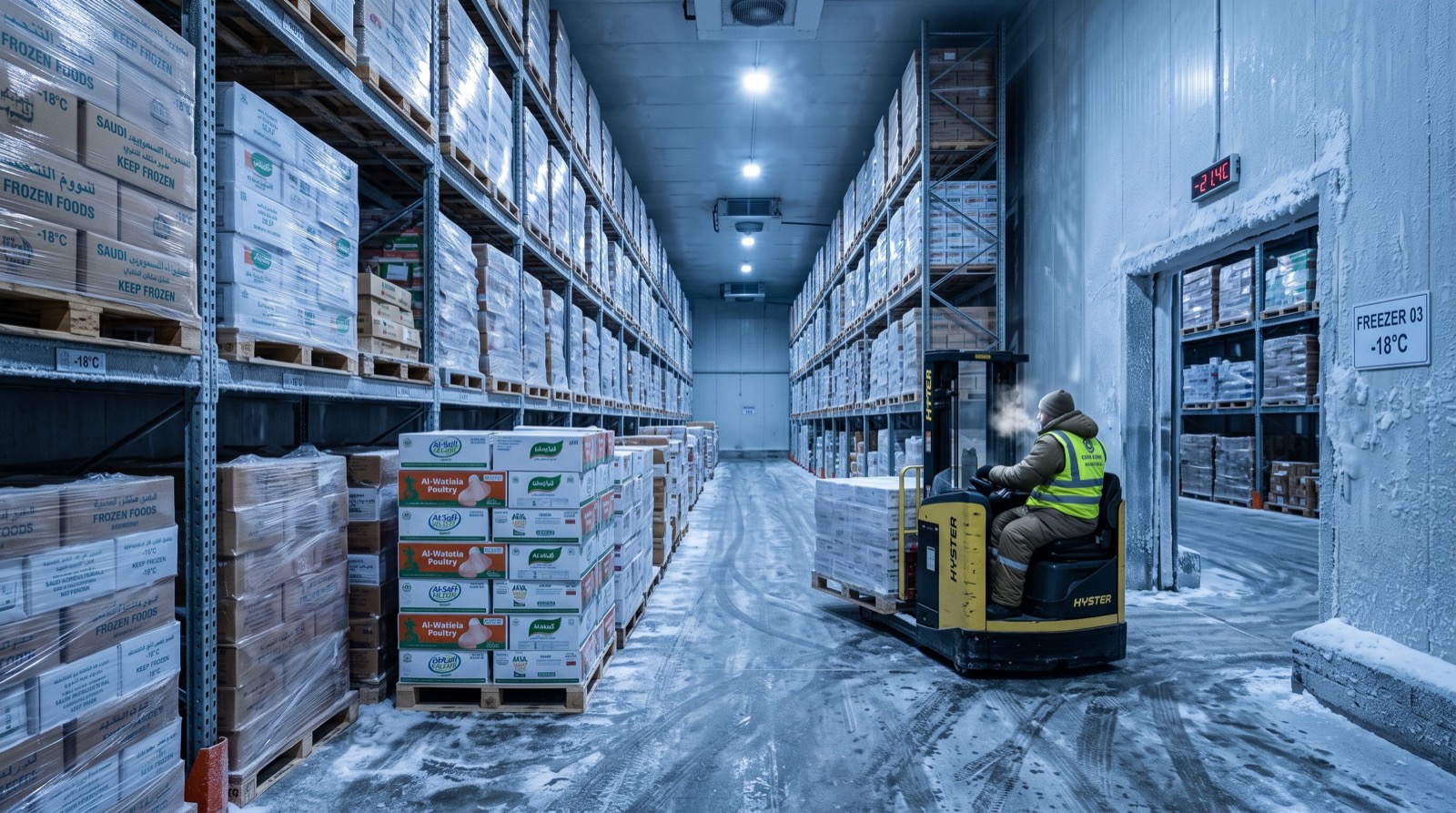
Dry Storage Solutions in Saudi Arabia: The Complete 2026 Guide
Reliable dry storage solutions in Saudi Arabia protect the goods that keep businesses running, from packaged food and grains to textiles, electronics and packaging materials. In a climate where summer heat and dust can quietly degrade inventory, a well-managed ambient warehouse is the unsung hero of the supply chain. This 2026 guide explains what dry storage really involves, how to keep humidity and pests at bay, and how to choose a facility that safeguards stock while keeping costs sensible.
Many owners assume “dry” means “simple.” It does not. Getting ambient storage right takes ventilation, pest control, smart racking and disciplined stock rotation. Do it well and your products stay sellable far longer.
What dry storage solutions in Saudi Arabia actually cover
Dry, or ambient, storage holds goods that do not need refrigeration but still require protection from heat, moisture, sunlight and contamination. That covers a huge share of everyday commerce, and it forms the backbone of most warehouses in Riyadh, Dammam and Jeddah.
Professionally managed Dry Storage solutions in Saudi Arabia control humidity, block pests and organise inventory so nothing gets buried, crushed or forgotten. The result is lower shrinkage and faster order fulfilment.
Common goods stored in ambient conditions
- Canned and packaged foods, grains, rice and flour
- Beverages in sealed containers
- Textiles, apparel and paper products
- Electronics and consumer hardware
- Packaging, spare parts and promotional stock
The three enemies of dry storage and how to beat them
Even without refrigeration, ambient warehouses face real threats. Managing them is what separates a professional operation from a leaky shed.
- Humidity: moisture warps packaging and invites mould. Good ventilation and dehumidification keep relative humidity in a safe band.
- Pests: rodents and insects ruin food and fibres. Sealed docks, monitoring stations and routine inspections stop infestations early.
- Heat: high temperatures speed spoilage and degrade adhesives and electronics. Insulation and airflow hold conditions steady.
According to guidance echoed by the U.S. Food and Drug Administration, controlling temperature, humidity and pests is fundamental to safe storage of packaged and dry foods. The same principles protect non-food goods from avoidable damage.
Dry storage versus other climate zones
| Factor | Dry storage | Chilled storage | Frozen storage |
|---|---|---|---|
| Temperature | Ambient, 15–25°C | 0–8°C | -18°C or below |
| Running cost | Lowest | Moderate | Highest |
| Typical goods | Grains, packaging, textiles | Dairy, produce | Meat, seafood |
| Main risk | Humidity and pests | Temperature drift | Power failure |
Designing an efficient dry warehouse
Layout drives efficiency. Wide aisles, clear labelling and logical zoning cut picking time and reduce handling damage. Vertical racking makes the most of expensive floor space, while dedicated receiving and dispatch areas keep goods flowing in one direction.
Stock rotation that protects value
First-in, first-out rotation prevents older stock from expiring at the back of a shelf. Pairing FIFO with barcode tracking gives you an accurate, real-time view of what you hold and what needs to move. Businesses that also handle Storage for Wholesalers and Retailers benefit especially, because high SKU counts make disciplined rotation essential.
When to outsource your dry storage
Running your own warehouse means fixed rent, staffing, equipment and compliance. Outsourcing to a shared facility converts those fixed costs into flexible, pay-for-what-you-use pricing, and it hands day-to-day operations to specialists. For most small and mid-sized businesses, that trade is a clear win.
If you are relocating stock or setting up a new hub, working with an experienced local team for the physical move keeps goods safe in transit and prevents costly damage during the transfer into your new warehouse.
An original tip worth remembering: audit your dead stock before you rent space. Many companies pay to store products that will never sell. Clearing obsolete inventory first can shrink your storage footprint, and your bill, by a surprising margin.
Costs and what drives them in 2026
Dry storage is the most affordable climate zone because it needs no refrigeration. Your bill mostly reflects floor area or pallet positions, contract length, and any value-added services like pick-and-pack, labelling or dispatch. Consolidating dry, chilled and frozen needs with one provider often unlocks better overall rates and simpler management.
Regional considerations across Riyadh, Dammam and Jeddah
Dry storage needs shift with geography. Riyadh’s inland location brings intense dry heat and dust, so air filtration and sealed docks matter most there. Dammam, on the Gulf coast, carries higher humidity from the sea, making dehumidification and moisture barriers essential. Jeddah, on the Red Sea, faces its own blend of heat and coastal damp along the western trade corridor.
Understanding these local conditions helps you position stock intelligently. Moisture-sensitive goods like paper, textiles and electronics benefit from tighter humidity control in coastal cities, while inland facilities excel at protecting against dust and heat. A provider with sites in all three regions lets you place each product where it stays safest.
Compliance and safety you should expect
Professional dry warehouses follow clear standards for fire safety, hygiene and food handling. Look for facilities with proper fire-suppression systems, documented pest-control programmes, and staff trained in safe stacking and handling. For food and consumer goods, these safeguards are not optional; they protect both your inventory and your legal standing.
Traceability rounds out the picture. Barcode or RFID systems that log every movement give you an audit trail for recalls, insurance claims and quality checks. In 2026, buyers increasingly ask suppliers to prove where goods were stored and under what conditions, so this record-keeping is fast becoming a commercial expectation rather than a nice-to-have.
Frequently Asked Questions
What is dry storage used for?
Dry storage holds goods that do not need refrigeration but still require protection from heat, humidity, dust and pests. Typical items include canned foods, grains, textiles, electronics, packaging and paper products.
How is humidity controlled in a dry warehouse?
Operators use ventilation, insulation and dehumidification to hold relative humidity in a safe range. This prevents mould, warped packaging and moisture damage, which are the most common causes of loss in ambient storage.
Is dry storage cheaper than chilled or frozen storage?
Yes. Because it requires no refrigeration, dry storage has the lowest running cost of any climate zone. You mainly pay for space and handling, making it the economical choice for shelf-stable inventory.
Can I combine dry storage with chilled or frozen space?
Absolutely. Multi-zone providers in Riyadh, Dammam and Jeddah let you store dry, chilled and frozen goods under one contract, so mixed catalogues stay organised and cost-efficient.
Conclusion
Well-run dry storage solutions in Saudi Arabia protect margin by keeping shelf-stable goods safe from heat, humidity and pests while holding costs down. Focus on humidity control, pest prevention, smart layout and disciplined rotation, and consider outsourcing to a flexible multi-zone operator as you grow through 2026. Ready to protect your inventory? Explore Units.sa today for dependable dry, chilled and frozen storage tailored to your business.