Dog Poop and Lawn Health: How Pet Waste Damages Your Grass in 2026
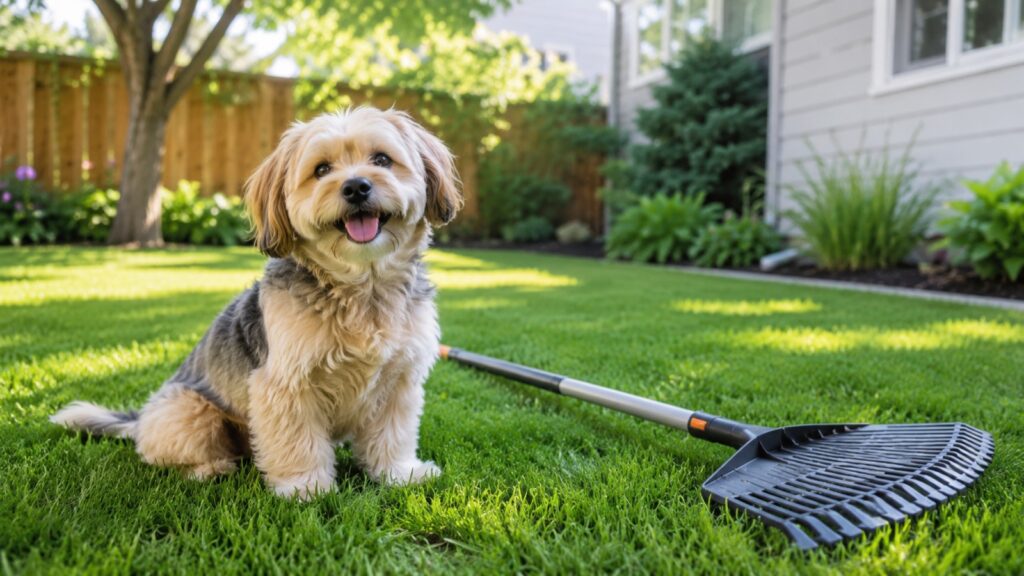
The link between dog poop and lawn health surprises most pet owners. That brown patch under the maple tree is not a fungus or a watering mistake. It is nitrogen burn from waste your dog left behind weeks ago. Understanding how dog poop and lawn health interact helps you keep both a happy dog and a green yard through 2026.
Unlike cow manure, which is often used as fertilizer, dog waste is acidic and packed with pathogens. It does not break down into safe soil food. Instead, it scorches roots and seeds bacteria that linger long after the visible mess is gone.
Why Dog Waste Hurts Your Lawn
Dogs eat protein-rich diets. That protein converts to concentrated nitrogen and salts in their stool. When the waste sits on turf, those salts pull moisture out of the grass blades, leaving yellow rings and dead centers.
The acidity also shifts your soil pH. Over a season, a single dog using one corner of the yard can lower that patch enough to stunt regrowth entirely.
- Nitrogen overload: burns roots like over-applied fertilizer.
- Salt content: dehydrates surrounding blades.
- Pathogen load: introduces E. coli, giardia, and roundworm eggs.
- Slow decomposition: waste can persist for a year in cooler climates.
How Fast Should You Pick It Up?
Speed matters more than most owners realize. The faster you clear waste, the less nitrogen leaches into the soil and the fewer parasite eggs get a chance to mature and spread.
| Time Left on Lawn | Effect on Grass | Health Risk |
|---|---|---|
| Under 24 hours | Minimal, easily rinsed | Low |
| 2–7 days | Yellow ring begins forming | Moderate — eggs maturing |
| 1–4 weeks | Dead patch, pH shift | High — active pathogens |
| Over a month | Bare soil, reseeding needed | Very high — soil contamination |
The Right Tools for a Poop-Free Yard
Daily pickup is the single best habit for lawn health. A long-handled scooper lets you clear waste without bending, kneeling, or touching anything. Many owners upgrade to an all-in-one Pooper scooper that holds a bag in place so waste drops straight into a sealed pouch.
For weekly deep cleans and multi-dog households, a durable carrier makes disposal cleaner. A heavy duty tool bag holds full pouches without tearing, so odor and leaks stay contained on the walk back to the bin.
If your yard damage is already severe, calling in dependable specialists for turf repair and reseeding can save a full replacement.
Building a Simple Cleanup Routine
- Walk the yard every morning with a scooper and bag.
- Target the same spots — dogs are creatures of habit.
- Rinse fresh urine spots with water to dilute salts.
- Seal waste in a bag and bin it, never compost it.
- Reseed damaged rings each spring and fall.
Repairing Lawn Damage From Dog Waste
Once a patch is dead, remove the affected turf and rake in fresh topsoil. Water deeply to flush residual salts before you reseed. Choose a hardy, high-traffic grass blend that tolerates a busy backyard.
Gypsum can help neutralize salt buildup in stubborn spots. Give new seed three to four weeks of protected growth before you let the dog back on that section.
How Diet Changes the Damage
What goes in shapes what comes out. Dogs fed cheap, filler-heavy kibble often produce larger, more acidic stools that hit your lawn harder. Higher-quality, digestible food means smaller, firmer waste that is easier to scoop and gentler on turf.
Hydration matters too. A well-hydrated dog produces waste that breaks down more predictably, while dehydration concentrates the salts that scorch your grass fastest.
- Quality kibble: smaller, firmer, easier-to-clear stools.
- Adequate water: dilutes the salt load in urine and waste.
- Consistent feeding: predictable potty timing for faster pickup.
- Vet-guided changes: ask before switching foods abruptly.
Designing a Dog-Friendly Yard
A little landscaping strategy goes a long way. Many owners create a dedicated potty zone using pea gravel or mulch, sparing the main lawn from concentrated damage. Dogs adapt quickly when the spot is consistent and rewarded.
Tougher grass varieties also help. Fescue and ryegrass blends handle canine traffic and nitrogen better than delicate ornamental types, so your repairs last longer and your lawn recovers faster between cleanups.
Environmental Impact Beyond Your Yard
Uncollected pet waste is a recognized water pollutant. The U.S. Environmental Protection Agency classifies pet waste runoff among the nonpoint sources that carry nutrients and bacteria into local waterways. Every pile you leave can wash into storm drains during rain.
Consistent cleanup protects not only your grass but your neighborhood’s streams and groundwater. It is a small habit with an outsized community payoff.
Seasonal Lawn and Waste Calendar
Timing your lawn care around your dog’s habits pays off. In spring, focus on reseeding the dead rings left over from winter and flushing salt from concentrated potty spots. Summer heat accelerates both decomposition and odor, so daily pickup becomes even more important.
Fall is the ideal window to overseed and strengthen turf before dormancy, giving damaged patches a head start. Through winter, keep clearing waste even when growth stops, because uncollected piles concentrate and release a burst of nitrogen the moment the ground thaws.
Mapping your yard work to the seasons means you are always one step ahead of the damage rather than chasing it. A short weekend routine each quarter keeps a dog-heavy lawn looking cared for all year long, and it spreads the effort so no single cleanup ever feels overwhelming.
Frequently Asked Questions
Does dog poop actually fertilize grass?
No. Cow and horse manure are treated fertilizers, but raw dog waste is too acidic and nitrogen-heavy. It burns grass and spreads pathogens rather than feeding your lawn.
How do I fix yellow spots from dog waste?
Rinse the area to flush salts, rake in fresh topsoil, and reseed with a hardy grass blend. Keep your dog off the patch for three to four weeks while new grass establishes.
Is it safe to compost dog poop?
Home compost rarely gets hot enough to kill roundworm and giardia. Bag and bin the waste instead, or use a dedicated in-ground pet-waste digester away from vegetables.
How often should I pick up after my dog in the yard?
Daily is ideal. Clearing waste within 24 hours limits nitrogen burn and stops parasite eggs from maturing, keeping both your lawn and family safe.
Conclusion
The connection between dog poop and lawn health comes down to one habit: pick it up fast and pick it up often. With the right long-handled scooper, a leak-proof bag, and a daily routine, you can protect your grass, your family, and your local waterways all at once in 2026.