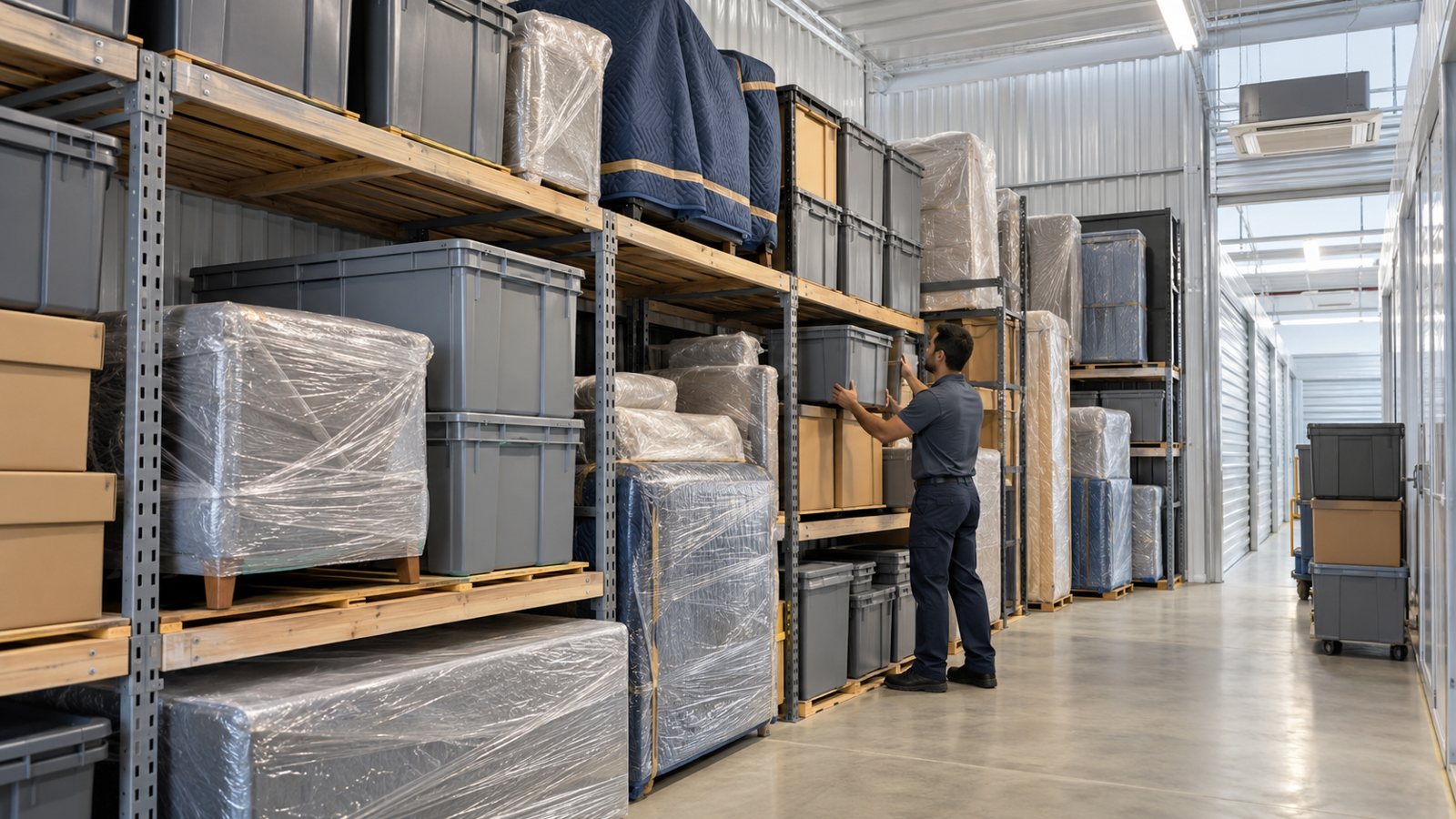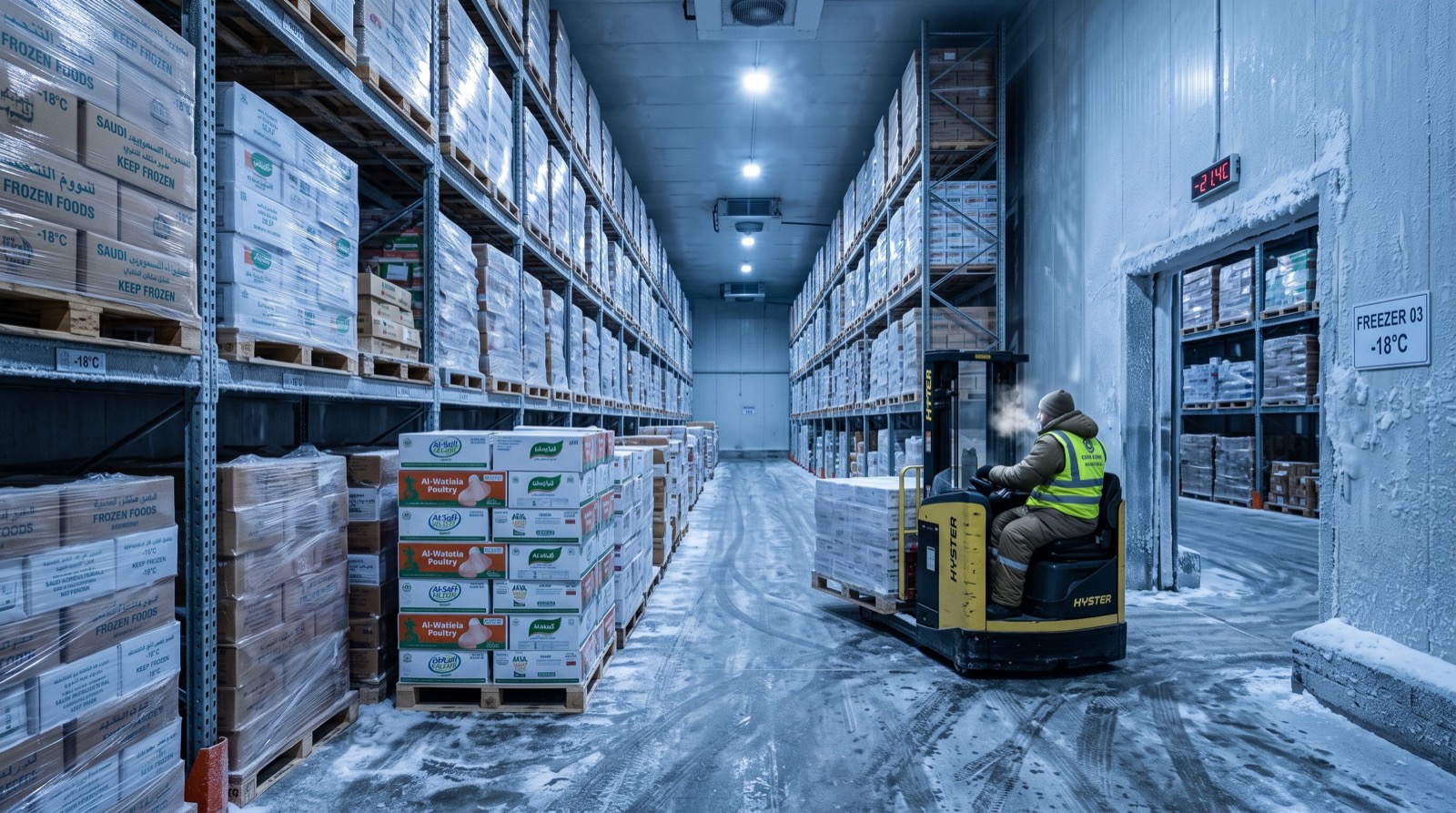
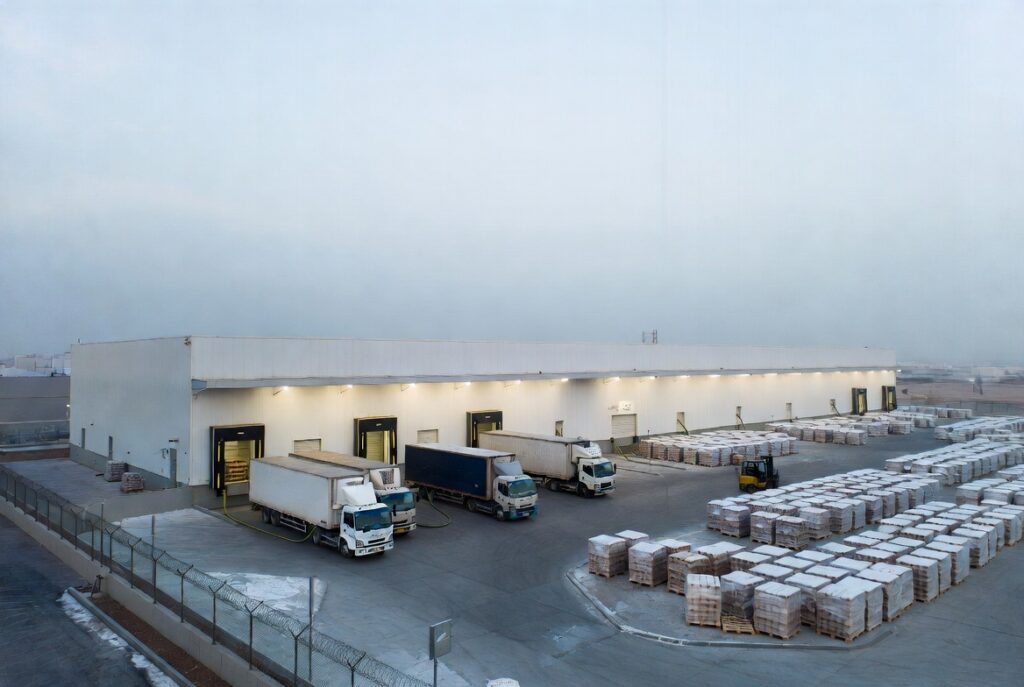
In today’s interconnected global economy, the ability to preserve temperature-sensitive products throughout the supply chain has become a critical success factor for businesses across multiple industries. Chilled Storage facilities provide the essential infrastructure for maintaining product integrity, extending shelf life, and ensuring that perishable goods reach consumers in optimal condition. As Saudi Arabia accelerates toward its Vision 2030 goals of economic diversification and food security, the demand for sophisticated cold chain solutions has reached unprecedented levels. From the bustling commercial hubs of Jeddah to the industrial zones of Dammam, businesses are investing heavily in temperature-controlled warehousing to meet growing consumer expectations and regulatory requirements. This comprehensive guide explores the landscape of chilled storage in the Kingdom, highlighting key market trends, the unique dynamics of major cities, and why partnering with the right provider is essential for success.
Chilled Storage: A Comprehensive Overview
Chilled Storage refers to warehousing facilities designed to maintain products at temperatures typically ranging from 0°C to 15°C, providing a consistent refrigerated environment that preserves the quality and freshness of perishable goods without freezing them . Unlike frozen storage, which maintains temperatures below -18°C, chilled storage is ideal for products that require a cool environment to remain viable but would be damaged by freezing.
Core Features of Modern Chilled Storage Facilities
- Precise Temperature Control: State-of-the-art refrigeration systems maintain stable temperatures within narrow ranges, essential for product integrity .
- Humidity Management: Advanced air quality and humidity control systems prevent moisture-related damage and spoilage .
- Regulatory Compliance: Facilities certified by the Saudi Food and Drug Authority (SFDA) and meeting international standards such as HACCP and GDP .
- 24/7 Security: Continuous surveillance, access controls, and monitoring systems protect valuable inventory .
- Smart Monitoring: IoT-enabled sensors provide real-time temperature tracking and automated alerts .
Products That Benefit from Chilled Storage
The chilled temperature range accommodates a diverse array of products essential to modern commerce :
- Food and Beverages: Fresh fruits and vegetables, dairy products, juices, ready-to-eat meals, and bottled beverages.
- Pharmaceuticals: Vaccines, insulin, biologics, and temperature-sensitive medications requiring strict cold chain adherence.
- Cosmetics and Skincare: Perfumes, creams, and beauty products containing active ingredients sensitive to temperature fluctuations.
- Healthcare Products: Medical supplies and diagnostic materials that must be stored under controlled conditions.
- Raw Materials: Temperature-sensitive industrial inputs used in manufacturing processes.
Chilled Storage in Saudi Arabia: A Growing Necessity
The demand for Chilled Storage in Saudi Arabia is being driven by multiple converging factors that are reshaping the Kingdom’s logistics landscape. The Saudi cold chain market was valued at USD 3.5 billion in 2025 and is projected to reach USD 15.9 billion by 2034, representing a compound annual growth rate of 18.31% . This remarkable growth reflects the Kingdom’s commitment to food security, healthcare modernization, and economic diversification.
Key Market Drivers
Vision 2030 and Economic Diversification: The Kingdom’s strategic initiatives are accelerating investment in cold chain infrastructure. Government efforts to reduce dependency on food imports and enhance food security have created sustained demand for sophisticated storage solutions . Approximately 80% of food products in Saudi Arabia are imported, necessitating robust cold chain capabilities to maintain product quality throughout the supply chain .
Pharmaceutical Sector Expansion: Saudi Arabia represents the largest pharmaceutical market in the Middle East and Africa, with the sector projected to reach SAR 50 billion by 2026 . This growth, combined with increasing vaccine distribution requirements and expanding biologics markets, demands specialized chilled storage infrastructure meeting strict regulatory standards .
Retail and E-commerce Growth: Rising urbanization, with over 84% of the population residing in urban areas, and the rapid expansion of e-commerce are transforming consumer expectations for fresh products delivered directly to their homes . The Saudi e-commerce market is projected to reach USD 708.7 billion by 2033, driving demand for last-mile cold chain solutions .
Regulatory Oversight: The Saudi Food and Drug Authority mandates comprehensive temperature monitoring and documentation throughout food and pharmaceutical supply chains, elevating infrastructure requirements beyond standard warehousing capabilities .
Market Segmentation Insights
The chilled temperature range (0°C to 15°C) is the largest segment in the Saudi cold chain market, holding a 40% market share in 2025 . This dominance reflects substantial demand for non-frozen perishable goods, including fresh fruits, vegetables, dairy products, and beverages. The segment is supported by national food waste reduction campaigns and growing consumer preferences for fresh food products over frozen alternatives .
Chilled Storage in Jeddah: Gateway to the Red Sea
Jeddah, as Saudi Arabia’s primary Red Sea port and commercial hub, plays a pivotal role in the Kingdom’s chilled storage infrastructure. The demand for Chilled Storage in Jeddah is exceptionally robust, driven by the city’s strategic position as a gateway for international trade and its role in serving millions of Hajj and Umrah pilgrims annually .
Strategic Advantages
Port Connectivity: Jeddah Islamic Port is the Kingdom’s largest port and a critical entry point for imported food and pharmaceutical products. The city’s port-based logistics ecosystem creates substantial demand for temperature-controlled warehousing to handle perishable imports efficiently .
Infrastructure Investment: Major investments are transforming Jeddah’s cold storage capabilities. In June 2026, LogiPoint announced plans to construct a 12,000-square-metre Grade-A temperature-controlled logistics facility in Jeddah’s 1st Industrial City, featuring four thermal control units, each 3,000 square meters, with a 13.5-meter net height to support high-density storage . The facility, expected to be completed by December 2026, will provide advanced storage solutions supporting food, pharmaceutical, healthcare, and retail sectors .
Serving the Western Region: Jeddah’s strategic location provides direct access to key transportation networks, including major highways and distribution corridors serving the Western Region of the Kingdom. This enhances supply chain efficiency and reduces delivery times for businesses operating in this area .
Diverse Industry Applications
Jeddah’s chilled storage market serves a wide range of industries, including food and beverage importers, pharmaceutical distributors, healthcare providers, and retail chains. The city’s role as a commercial center attracting investment in logistics and distribution further drives innovation in temperature-controlled warehousing solutions .
Chilled Storage in Dammam: Industrial Powerhouse of the East
Dammam, the capital of the Eastern Province and a cornerstone of Saudi Arabia’s industrial and energy sectors, presents a unique and growing market for Chilled Storage in Dammam. The city’s strategic location near the Arabian Gulf, its proximity to major oil and gas facilities, and its role as a logistics hub serving the Gulf region create specialized demand for temperature-controlled warehousing .
Strategic Importance
King Abdulaziz Port: Dammam’s King Abdulaziz Port is a critical gateway for more than a fifth of the country’s food imports, creating sustained demand for cold storage infrastructure . In March 2023, Maersk and Refad Real Estate signed an agreement for Maersk to operate a 30,000-square-metre cold storage facility at the port, with an annual capacity of 168,000 pallets for fruit, vegetables, frozen goods, processed foods, and dairy products .
Industrial and Logistics Hub: The Eastern Region leverages its strategic positioning with Dammam Port and extensive industrial zones to serve petrochemical and halal-certified food exports throughout the Gulf region . The area’s proximity to major industrial cities and oil refineries creates sustained demand for temperature-controlled logistics services supporting diverse manufacturing operations .
Infrastructure Development: Strategic investments are strengthening the Eastern Region’s cold chain capabilities. The Saudi Ports Authority’s SAR 1 billion logistics park at King Abdulaziz Port, spanning over one million square meters, is establishing Dammam as a major logistics hub serving the Gulf region . Redwave Logistics recently opened a state-of-the-art 9,500-pallet-position facility in Dammam featuring temperature-controlled storage capabilities .
Serving Key Sectors
Dammam’s chilled storage market serves diverse sectors, including food importers, pharmaceutical distributors, chemical manufacturers, and exporters of halal-certified products. The city’s role as an industrial powerhouse creates demand for specialized storage solutions that maintain product quality while supporting complex supply chains .
Units: Your Trusted Partner for Chilled Storage Solutions
In this competitive and rapidly evolving market, Units (units.sa) has established itself as a premier provider of innovative warehousing solutions. With a deep understanding of the Saudi market and a commitment to quality and customer satisfaction, Units offers comprehensive chilled storage facilities tailored to meet the unique needs of organizations across the Kingdom .
Company Overview
Units provides efficient and secure warehousing solutions designed to protect the quality and freshness of products at every stage of the supply chain . With state-of-the-art refrigerated warehouses featuring stable temperatures, strict hygiene, and full control from entry to delivery, Units ensures products are always in safe hands .
Comprehensive Chilled Storage Solutions
Temperature-Controlled Excellence: Units’ chilled warehouses are equipped with fully integrated cooling systems that maintain stable temperatures essential for preserving product integrity. Advanced humidity and air quality controls prevent moisture-related damage and ensure optimal storage conditions .
SFDA-Certified Facilities: All Units warehouses are certified by the Saudi Food and Drug Authority, ensuring compliance with the Kingdom’s strict food safety regulations . This certification is essential for businesses handling food products, pharmaceuticals, and other regulated goods.
24/7 Security and Monitoring: Continuous surveillance, camera coverage, and strict access controls protect valuable inventory around the clock . This commitment to security provides peace of mind for businesses storing high-value temperature-sensitive products.
Smart Inventory Management: Units provides a user-friendly online platform that allows businesses to access their inventory anytime, track all movements, and streamline operations . This digital integration offers a 360-degree view of inventory, enabling better decision-making and reducing inefficiencies.
Multi-City Presence
Units serves customers in key Saudi cities, including Riyadh, Jeddah, and Dammam, with a network of modern warehouses strategically located near major distribution corridors . This widespread presence ensures businesses can store their inventory closer to their customers, reducing delivery times and transportation costs.
Flexible Contracts and Tailored Solutions
Understanding that no two businesses are alike, Units offers flexible contracts that can be tailored to fit organizations of any size . Whether a small business needs a modest space or a large enterprise requires extensive warehousing capacity, Units provides the agility that modern businesses require.
Industry-Specific Expertise
Units understands that different sectors have unique storage requirements and offers specialized solutions for various industries, including:
- Food and Beverage: Certified food warehouses with strict hygiene protocols and multi-temperature control to preserve food quality and prevent spoilage .
- Pharmaceuticals and Healthcare: Facilities meeting stringent regulatory requirements for temperature-sensitive medications and healthcare products.
- Fashion and Apparel: Clean, flexible, and carefully organized spaces that protect garments and accessories from dust and damage .
Conclusion
Chilled storage has become an indispensable component of modern supply chains in Saudi Arabia, enabling businesses to preserve product quality, extend shelf life, and meet stringent regulatory requirements. From Jeddah’s port-based logistics ecosystem to Dammam’s industrial powerhouse, the demand for sophisticated temperature-controlled warehousing continues to grow, driven by Vision 2030 initiatives, pharmaceutical sector expansion, and evolving consumer expectations.
Units stands at the forefront of this transformation, offering comprehensive, secure, and technology-enabled chilled storage solutions that meet the diverse needs of Saudi organizations. By choosing Units, businesses gain a strategic partner committed to helping them optimize their inventory management, ensure regulatory compliance, and achieve operational excellence.
Frequently Asked Questions (FAQs)
1. What is the difference between chilled storage and frozen storage?
Chilled storage maintains products at temperatures between 0°C and 15°C, keeping perishable goods fresh without freezing them. This is ideal for products like fresh fruits, vegetables, dairy, and certain pharmaceuticals. Frozen storage maintains temperatures below -18°C, preserving products through complete freezing. Each serves different product requirements within the cold chain .
2. What products can be stored in a chilled storage facility?
A wide range of temperature-sensitive products can be stored in chilled facilities, including fresh fruits and vegetables, dairy products, beverages, pharmaceuticals (vaccines, insulin, biologics), cosmetics, skincare products, and temperature-sensitive raw materials. Units provides chilled storage solutions suitable for food, pharmaceutical, healthcare, and retail sectors .
3. Are Units chilled storage facilities certified by Saudi authorities?
Yes, all Units warehouses are certified by the Saudi Food and Drug Authority (SFDA), ensuring compliance with the Kingdom’s strict food safety and regulatory requirements . This certification is essential for businesses handling food products and regulated goods that require temperature-controlled storage.
4. Which Saudi cities does Units serve for chilled storage?
Units currently serves customers in key Saudi cities, including Riyadh, Jeddah, and Dammam, with a network of modern, SFDA-certified warehouses . The company’s multi-city presence ensures businesses can store their inventory closer to their customers, reducing delivery times and transportation costs.
5. Can I access my stored inventory remotely?
Yes, Units provides a user-friendly online platform that allows you to access your inventory anytime, track all movements, and streamline your operations . The platform offers a 360-degree view of your inventory, enabling better decision-making and reducing inefficiencies. Warehouses are open from Saturday to Thursday, from 7 AM to 5 PM .