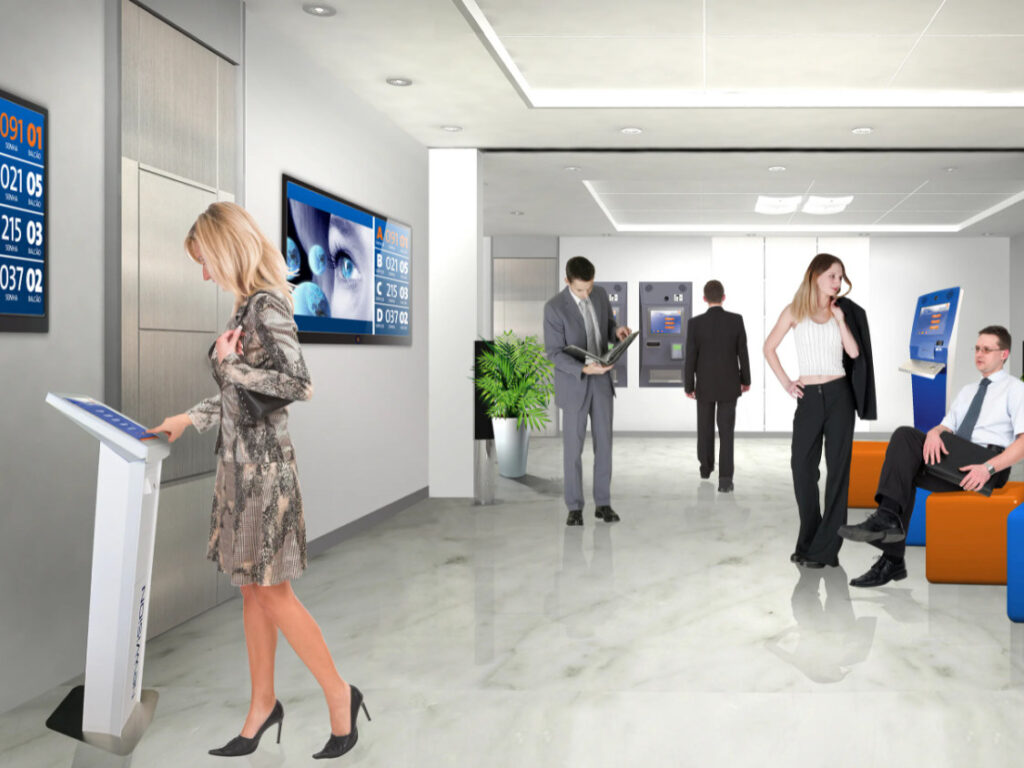
In today’s fast-paced world, waiting in long, disorganized queues has become one of the most frustrating experiences for customers across Pakistan. From banks and hospitals to government offices and retail outlets, the challenge of managing customer flow efficiently is universal. This is where modern Queue Management Systems come into play, transforming chaotic waiting areas into streamlined, professional environments that enhance customer satisfaction and operational efficiency . As urbanization accelerates and consumer expectations rise, the demand for sophisticated queuing solutions is growing rapidly across major Pakistani cities including Rawalpindi, Lahore, and Karachi .
Understanding Queue Management Systems
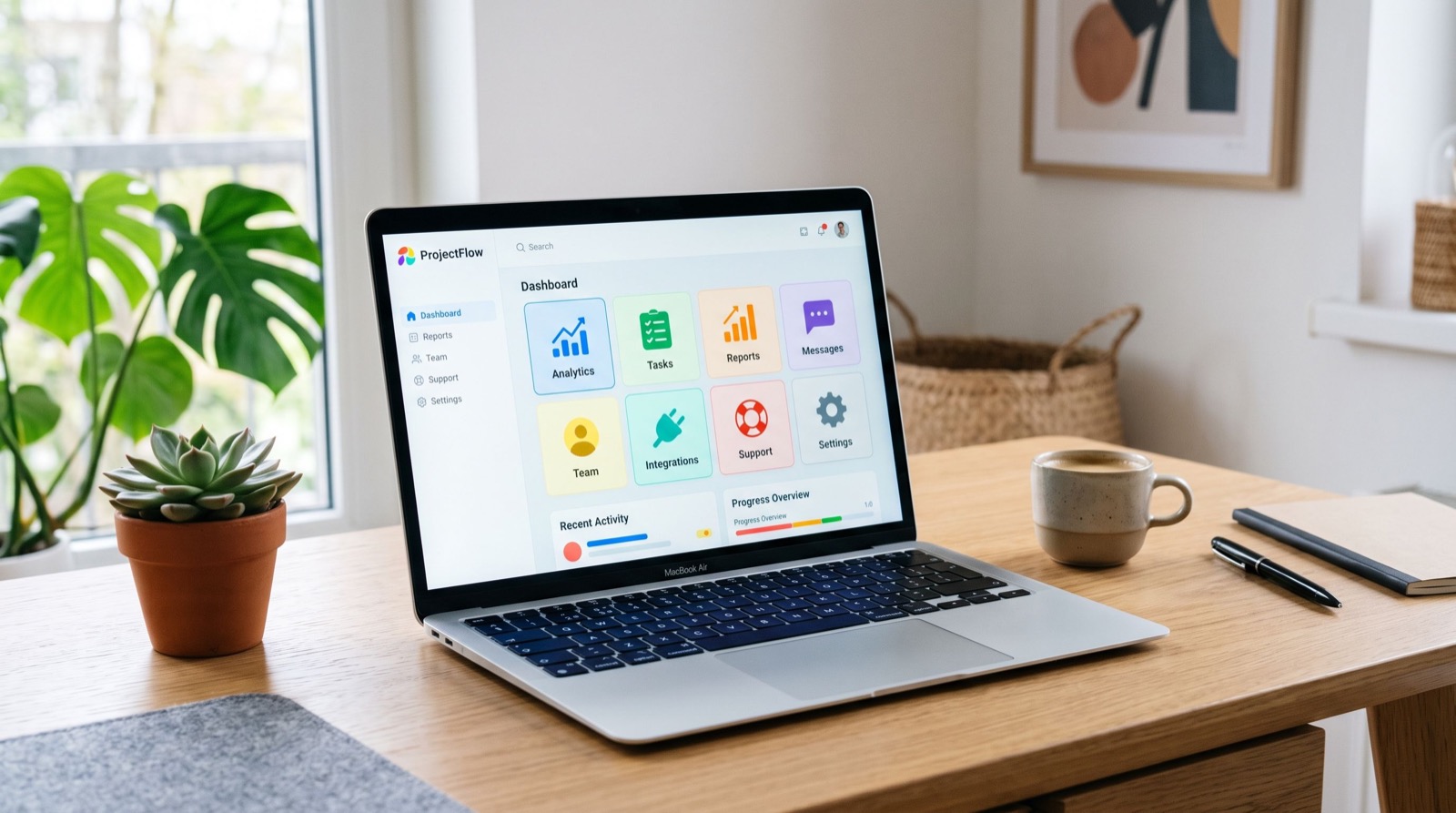
A Queue Management System (QMS) is a comprehensive digital solution designed to manage customer flow by automating the queuing process. These systems typically include token dispensers, digital displays, audio announcement systems, and advanced analytics dashboards . Modern QMS solutions go far beyond simple ticketing, offering features such as real-time monitoring, appointment scheduling, SMS notifications, and integration with mobile applications for virtual queuing .
Key Benefits of Implementation
Organizations that implement queue management systems experience significant improvements across multiple dimensions of their operations:
- Reduced Waiting Times: Systems like Qmatic have demonstrated up to 66% reduction in total serving time
- Enhanced Staff Productivity: Studies show up to 32% improvement in staff productivity
- Improved Customer Satisfaction: A 26% increase in contract sales volume has been observed in businesses using queuing systems
- Better Resource Allocation: Real-time data enables managers to optimize staffing and service point deployment
- Professional Image: Creates a modern, organized environment that builds customer trust
Technological Evolution
The queue management market in Pakistan has evolved significantly from basic token dispensers introduced around 2000 to today’s sophisticated cloud-based solutions . Modern systems incorporate artificial intelligence, mobile applications, and comprehensive analytics to provide businesses with actionable insights about customer behavior and service efficiency .
Queue Management System in Rawalpindi
Rawalpindi, a city adjacent to Pakistan’s capital, houses numerous government offices, banks, and healthcare facilities that serve a dense population. The demand for efficient Queue Management Systems in Rawalpindi has grown substantially as organizations seek to modernize their operations and improve citizen services.
Government Sector Adoption
Rawalpindi has witnessed significant government interest in queue management solutions. The Punjab Information Technology Board (PITB) has been actively involved in implementing these systems across public sector institutions . Following successful implementations in Lahore, similar systems are being deployed in Rawalpindi’s government hospitals and administrative offices to enhance service delivery and reduce citizen frustration .
Banking and Financial Services
With numerous bank branches concentrated in Rawalpindi’s commercial areas, the banking sector has been a major adopter of queue management technology. Leading banks have implemented systems that provide customers with real-time wait time updates, appointment booking capabilities, and seamless integration with mobile applications for virtual queuing .
Healthcare Transformation
Rawalpindi’s major hospitals, including Benazir Bhutto Hospital and Holy Family Hospital, are increasingly adopting queue management systems to manage patient flow in outpatient departments. The Punjab government’s initiative to extend queue management systems across all provincial hospitals directly benefits Rawalpindi’s public healthcare facilities .
Queue Management System in Lahore
As the provincial capital and Pakistan’s second-largest city, Lahore represents one of the most significant markets for Queue Management Systems in Lahore. The city’s status as a commercial, educational, and healthcare hub creates diverse applications for queuing technology.
Healthcare Sector Leadership
Lahore has emerged as a pioneer in healthcare queuing solutions. In June 2025, Punjab Health Minister Khawaja Salman Rafique inaugurated a queue management system at Jinnah Hospital Lahore’s Gynecology Outpatient Department, with plans to extend the system across all government hospitals in the province . This initiative represents a major commitment to patient-centered care, eliminating the need for patients to stand in long queues and providing comfortable seating arrangements .
Commercial and Retail Applications
Lahore’s vibrant commercial sector, including major shopping malls, retail chains, and service centers, has embraced queue management to enhance customer experience. Systems featuring token dispensers, digital displays, and real-time monitoring help businesses manage customer flow during peak hours and special events .
Banking and Financial Institutions
With numerous bank headquarters and branches located in Lahore, the financial sector has been at the forefront of queue management adoption. Leading banks have implemented enterprise-level solutions that integrate multiple branches, providing centralized monitoring and analytics capabilities .
Queue Management System in Karachi
As Pakistan’s largest city and commercial hub, Karachi presents unique challenges and opportunities for Queue Management Systems in Karachi. The city’s population density, diverse business landscape, and significant infrastructure demands create a robust market for queuing solutions.
Diverse Industry Applications
Karachi’s economy spans multiple sectors requiring queue management, including:
- Logistics and Port Services: Managing queues at Karachi Port and Port Qasim
- Healthcare: Major hospitals including Jinnah Hospital, Aga Khan Hospital, and Civil Hospital
- Banking: Hundreds of bank branches serving millions of customers
- Government Services: Municipal offices, passport offices, and utility company service centers
- Retail and Entertainment: Major malls and service centers
Technological Adoption
Karachi’s sophisticated business environment has led to the adoption of cutting-edge queue management technologies, including virtual queuing, mobile applications, and integrated analytics . The ability to join queues remotely via smartphone and receive real-time notifications has proven particularly popular among Karachi’s time-conscious consumers .
Market Growth Drivers
The Karachi queue management market is driven by increasing awareness of customer service benefits, government initiatives promoting digital transformation, and competition among businesses to enhance customer experience .
The NextGen Technologies Advantage
In this competitive and rapidly evolving market, The NextGen Technologies (thenextgentechnologies.com) has emerged as a premier provider of innovative queue management solutions. With deep expertise in automation and IT solutions, The NextGen Technologies is perfectly positioned to help businesses across Rawalpindi, Lahore, Karachi, and beyond transform their customer service operations.
Introducing Qzy: Smart Queue Management
The NextGen Technologies offers Qzy, a comprehensive queue management system designed to streamline customer handling through automated queue tickets, real-time wait tracking, and intelligent counter management . This smart system reduces congestion, improves service speed, and ensures customers are served in an organized and transparent manner .
Key Features and Benefits
Real-Time Monitoring: Qzy provides live tracking of queue status, enabling staff to respond proactively to changing customer flow .
Automated Ticketing: The system eliminates manual ticket issuance, reducing errors and improving efficiency .
Multi-Platform Integration: Qzy integrates with Point of Sale systems, customer feedback solutions, and analytics platforms .
Scalable Solutions: Suitable for businesses of all sizes, from small retail outlets to large enterprise operations .
Beyond Queue Management
The NextGen Technologies offers a comprehensive suite of technology solutions for the restaurant, hospitality, and retail industries, including Point of Sale systems, customer feedback solutions, Wi-Fi marketing, people counting, and drive-thru timer systems . This integrated approach ensures businesses can create seamless customer experiences across all touchpoints.
Commitment to Innovation
The NextGen Technologies combines technical expertise with deep understanding of local market needs, providing solutions that address the specific challenges faced by Pakistani businesses. Whether you are in Rawalpindi’s government sector, Lahore’s healthcare industry, or Karachi’s commercial sector, The NextGen Technologies delivers solutions that drive operational excellence and customer satisfaction.
Conclusion
Queue management systems have become essential tools for organizations seeking to enhance customer service, improve operational efficiency, and remain competitive in Pakistan’s dynamic market. From Rawalpindi’s government offices to Lahore’s hospitals and Karachi’s commercial centers, the demand for smart queuing solutions continues to grow as businesses recognize the tangible benefits of organized customer flow.
The NextGen Technologies stands at the forefront of this transformation, offering innovative solutions like Qzy that combine cutting-edge technology with practical application. By implementing a comprehensive queue management system, businesses can reduce waiting times, boost staff productivity, enhance customer satisfaction, and create a professional image that builds trust and loyalty.
Frequently Asked Questions (FAQs)
1. What is a queue management system and how does it work?
A queue management system is a digital solution that automates the customer queuing process. Customers receive a ticket from a dispenser or mobile app, their position in the queue is displayed on screens, and staff call numbers through audio announcements and displays. Advanced systems provide real-time monitoring, analytics, and remote queuing capabilities .
2. What types of businesses benefit from queue management systems?
Queue management systems benefit a wide range of organizations, including banks, hospitals, government offices, retail stores, restaurants, and service centers. Any business where customers wait for service can improve customer satisfaction and operational efficiency through queuing solutions .
3. Can customers join a queue remotely using a mobile app?
Yes, modern queue management systems offer virtual queuing capabilities through mobile applications. Customers can join a queue remotely, view real-time wait times, and receive notifications when their turn approaches, eliminating the need to physically wait at the location .
4. How does the Qzy system by NextGen Technologies compare to other solutions?
The Qzy system offers integrated capabilities including automated ticketing, real-time wait tracking, intelligent counter management, and comprehensive analytics. It is scalable for businesses of all sizes and integrates with other technology solutions like Point of Sale systems to create a seamless customer experience .
5. What are the typical costs of implementing a queue management system?
Costs vary based on system complexity, number of service points, and features required. Basic systems include token dispensers and displays, while comprehensive enterprise solutions with mobile integration and analytics represent higher investments. The return on investment is typically achieved through increased efficiency and customer satisfaction .